
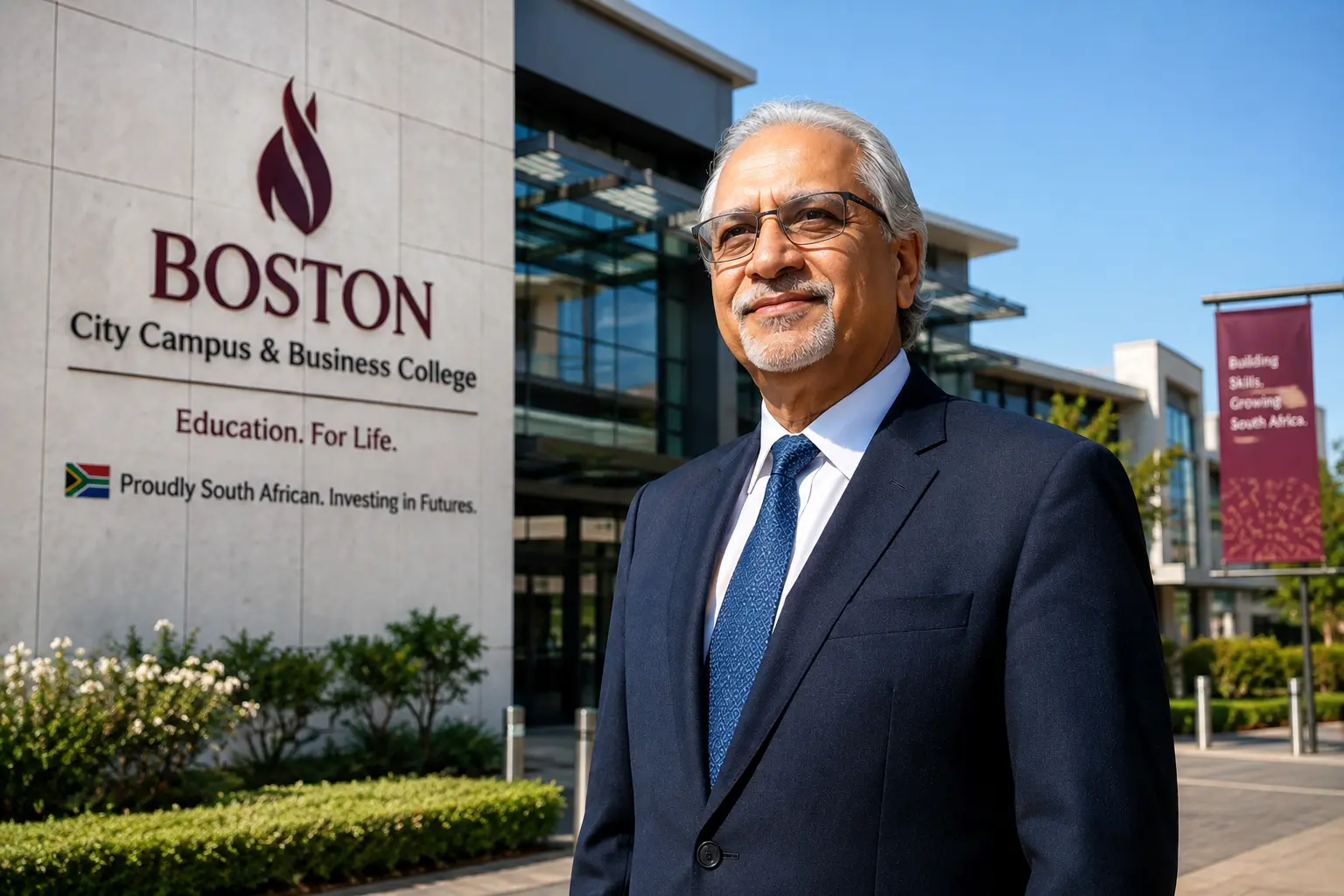
Newly appointed Deputy Minister of Higher Education and Training, Yusuf Cassim, has identified his focus on expanding access to quality education for disadvantaged South African students as a priority after his recent appointment.
Cassim stated his intention to champion the cause of those less privileged and to broaden their access to quality education and opportunities for success.
The deputy minister made these remarks after being appointed to his current post by President Cyril Ramaphosa as part of his process for reshaping the national executive.
Tackling educational inequality
Cassim has identified the inequality in the education sector as a priority area for his attention as deputy minister.
He stated his intent to make sure that the less privileged can have access to quality education and that their needs are met to allow them to participate fully in society.
His views are a reminder that the theme of access and inclusion drives much of the debate on higher education and training.
For students and their families, access to quality education is a critical enabler as it opens the door to further studies or better employment opportunities.
Addressing challenges in higher education
In his remarks, Cassim has also acknowledged the need to deal with the challenges which threaten to undermine the country’s higher education system.
He pledged to support disadvantaged groups while still addressing the needs of the broader community. His remarks point to the need to create education systems that support young people to meet their educational needs.
The challenge in many instances remains that for many students, getting access to higher education is only part of the problem.
Students also need the required support to ensure that they can complete their studies.
Impact of his appointment
As the new Deputy Minister of Higher Education and Training, Cassim’s mandate will have an impact on TVET colleges, universities, and the broader higher education and training system.
For students, his areas of focus will determine many of the key policies on higher education and training that will affect their studies in the years to come. For instance, his focus on expanding access to quality education will require reviewing a range of policies on student finance, access to higher education, and support systems.
While his area of focus will be critical for the next few years, actual impact will depend on the extent to which government will be able to invest in higher education and training to meet the needs of the growing number of students.
You can also visit our Whatsapp Channel For More Opportunities Update
His new appointment is part of President Cyril Ramaphosa’s reshuffling of the national executive.
It provides an insight into the key areas that will inform the education agenda in the years to come.
As such, it will have an impact on students, staff, and communities as government continues to restructure higher education and training in South Africa.
Challenges ahead
Cassim’s focus on expanding access to quality education will be a key determinant of the impact of his leadership in the years to come.
For many students, the issue of access remains a contentious one as they continue to contend with a range of challenges in accessing higher education.
Cassim will need to focus on addressing their needs while still balancing the demands of the broader community.
For instance, the issue of student financing remains a major concern for many students.
While the NSFAS has been a great equalizer in ensuring that students from poor backgrounds can access higher education, the system requires further support to meet the needs of all students.
Challenges such as long processing times and the exclusion of private institutions continue to challenge the effectiveness of the system.
Conclusion
This article was produced using information made public about Yusuf Cassim’s new appointment as Deputy Minister of Higher Education and Training and his intentions as his new role commences.
Our education and career section aims to provide quality information and insights to students, workers, South African tertiary institutions, and communities.
Wherever possible, we clearly state statements made by officials and distinguish them from analysis. We do not create information, policies, figures, or quotes that have not been officially released or published. For the latest information on student finance, tertiary education, and employment, we recommend you visit the relevant government websites. This publication serves to provide general information and raise public awareness. It is not an official statement on behalf of the Department of Higher Education and Training or the Office of the President. Statements should not be viewed as policy commitments, and governments may update, amend, or withdraw proposals and policies at any time.
Public Awareness
Students should rely on official government and institutional sources for information about NSFAS, universities, TVET colleges, bursaries, student support, and other higher education and training matters. As the government’s policies and announcements unfold, learners and students need to differentiate between official statements and unofficial commentary and speculation on social media.
